
The UK lost £54 million in stamp duty revenue from property sales of more than £5 million in the 18 months following the October 2024 Budget, according to analysis by property consultancy Knight Frank.
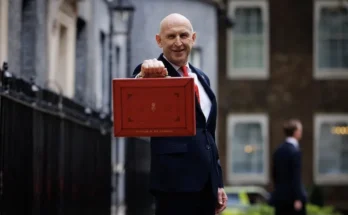
The figures have fueled calls for Finance Minister John Healey to take measures to attract wealthy investors abroad, including a proposed global investor visa, as the government prepares for its next budget.
The analysis compares property transactions in the 18 months before and after 30 October 2024, when former chancellor Rachel Reeves increased the stamp duty surcharge on additional properties from 3% to 5% and outlined changes to the UK non-resident tax regime.
Adjusted for house price movements, the number of property sales over £5 million in England fell by 14%, from 2,569 to 2,208, according to data from HM Land Registry, LonRes and Knight Frank.
Estimated stamp duty revenues from these transactions fell by 16%, from £3.395 billion to £2.855 billion.
The calculations assume that half of the buyers paid both the property surcharge and a 2% surcharge that applies to foreign buyers. While the increase in additional properties generated additional revenues of approximately £201 million during the second period, this was not enough to offset the overall decline.
Knight Frank estimates the resulting net deficit at £541 million.
The slowdown in high-value property transactions comes amid a challenging environment for the UK’s prime housing markets, with tax policy uncertainty and rising mortgage costs adding to pressures linked to the conflict in the Middle East, which began in February.
However, London’s prime property market registered some signs of stabilization over the summer, helped in part by the lack of speculation around new property taxes ahead of the Budget.
Prime central London recorded quarterly price growth of 0.3% in September, its first positive quarterly reading in four years, Knight Frank data showed.
Transaction volumes also showed signs of improvement. Sales in prime and central London areas fell by 2.5% year-on-year to September, compared to a 14% annual decline in March.
The picture remained calmer in the rural market, which covers urban and rural properties worth more than £750,000 outside London.
Average prices fell 4.2% year-on-year through September, slightly better than the 5% annual decline recorded in June.
The number of stock exchanges in the Qatari market decreased by 2% in the third quarter than it was in the same period last year.
Foreign Investors for Britain (FIFB), a lobby group demanding a new investor visa, says the stamp duty figures highlight the potential economic cost of making the UK less attractive to international investors.
“The loss of stamp duty is one of many indicators that show what happens when Britain is no longer able to compete on the world stage in attracting foreign investors,” said Lesley Macleod-Miller, FIFA chief executive.
“Of course, it significantly underestimates the extent of the loss to the country’s economy.”
Prime Minister Andy Burnham has ruled out cutting stamp duty in the next Budget.
However, speculation has grown that Haley may consider a new visa plan to attract wealthy international investors after the departure of several high-profile figures from the UK, including hedge fund manager Chris Rokos.
The discussion also focused on the impact of the government replacing the non-resident regime.
Rachel Reeves introduced a system under which eligible new arrivals can benefit from relief on foreign income and gains during their first four years of residence in the UK.
James Cormby, head of private wealth at law firm Stevenson Harwood, estimated that the changes could cost the Treasury up to £4 billion a year in lost tax revenue. This contradicts the government’s original estimate that the reforms would raise nearly £3 billion.
One proposal said to be under consideration is FIFA’s plan for a global investor visa, which would require a minimum investment of £2.5m and a fixed annual tax payment of £200,000 for up to 15 years.
The proposed scheme would also provide a route to indefinite leave to remain. FIFA estimates it could attract more than £225bn in inward investment over a decade, although this figure represents the organisation’s projections and is not a firm economic outcome.