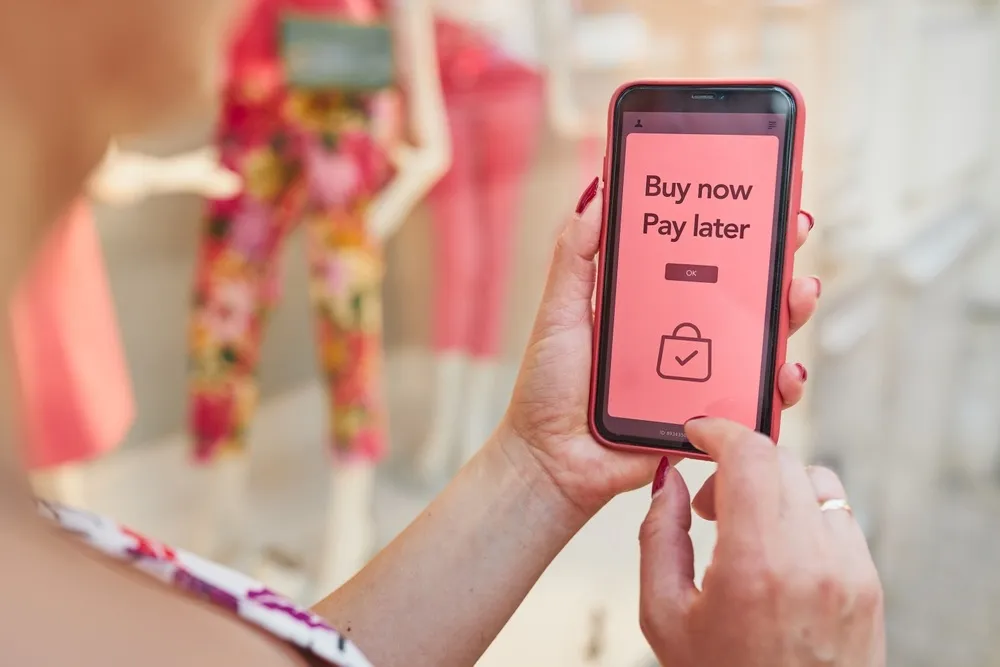
Buy Now Pay Later (BNPL) has become part of everyday shopping. Whether it’s new clothes, furniture, a holiday or even takeaway meals, services like Klarna, Clearpay and PayPal make it easy to split the cost into smaller payments.
It can seem like a choice to pay more than to borrow – but borrowing is exactly what it is.
On 15 July 2026, new rules came into force making many interest-free BNPL agreements subject to regulation by the Financial Conduct Authority (FCA). The changes give customers greater protection, but also reinforce an important message:
Buy now, pay later is credit, and should be treated in the same careful way as any other borrowing.
National Bank of Bahrain: What has changed?
The new rules mainly cover interest-free credit provided by a third-party company, where the balance is repaid in no more than 12 installments over 12 months or less.
For example, you buy something from a retailer but use Klarna or Clearpay to distribute the payments. The store and the company offering the credit are two different businesses, so the agreement will usually fall within the new rules.
Credit offered directly by the retailer itself may not be covered. Agreements concluded before July 15, 2026 also remain outside the new system.
The main changes are:
1. Affordability checks
Providers must now carry out proportionate checks to ensure customers can afford the repayments before extending credit.
This doesn’t necessarily mean a long application every time you shop. However, this should make it more difficult for people to build multiple agreements that they cannot realistically afford.
2. Clearer information at checkout
Customers should be clearly told:
- How much do they borrow?
- The amount of each payment
- When payments are due
- Any late payment fees
- What happens if you miss a payment?
- What rights and protections do they have?
This is designed to prevent the “buy now, pay later” option from being presented as if it is just another method of payment.
3. Better support if you are struggling
If you fall behind, your provider should explain what happened and provide appropriate support.
Clients in financial difficulties should be treated fairly and, where appropriate, directed towards free debt advice rather than being immediately referred to debt collectors.
4. The right to complain
If you think you have been treated unfairly and your provider has not resolved your complaint, you may now be able to take it to the Financial Ombudsman Service.
5. Greater protection when an error occurs in the purchasing process
Section 75 protection is now available in qualifying structured agreements. This may allow you to bring a claim against the lender, for example, if the goods are defective, do not arrive, or the retailer goes out of business.
You can read the full explanation at FCA guidelines for buy now, pay later.
Will using Klarna affect your credit profile?
As of 15 July 2026, Klarna says the use of buy now pay later is being reported to credit reference agencies as a legal requirement. So missed payments may affect your credit history.
This means that customers should no longer assume that using Buy Now, Pay Later is invisible simply because it is interest-free or involves relatively small amounts.
The missed payment can be more significant than the value of the original purchase, especially if you are preparing to apply for a mortgage.
Does using Buy Now Pay Later affect my mortgage application?
With Klarna or another ‘buy now’ service, you’ll do ‘pay later’. It does not automatically prevent you from getting a mortgage.
Mortgage lenders look at the big picture, including:
- Your income
- Regular financial obligations
- Premium borrowing
- Credit history
- The behavior of your bank accounts
- Whether your proposed mortgage is affordable
One small agreement that was always paid on time is unlikely to cause the same concern as several overlapping agreements or missed payments.
However, frequent use may raise questions, especially if it indicates that you regularly rely on short-term credit for daily spending.
For example, a lender may look closely if your statements show multiple payments to different buy now, pay later providers, especially when combined with an overdraft, credit card debt, or a little money left over at the end of each month.
Even when an agreement is not visible on a credit report, payments may still appear on your bank statements and may be included in a lender’s affordability assessment.
Should you have a Klarna survey before applying for a mortgage?
Clearing the outstanding balance may reduce your monthly obligations, but you should speak to your mortgage broker before moving money or using savings allocated for your deposit.
Your broker will need an accurate picture of:
- How wonderful
- Your monthly installments
- Whether any payments have been missed
- When will the agreements be paid in full?
Never leave buy now pay later obligations from your mortgage application if you are asked about outstanding credit. If the numbers don’t match your credit report or bank statements, this could create unnecessary questions and delays.
Five tips if you’re planning to apply for a mortgage
- Check all three credit reports And look for any missed BNPL agreements or payments.
- Avoid opening several new agreements In the months leading up to your mortgage application.
- Make each payment on timeeven if the amount seems small.
- Keep a list of outstanding balances and payment dates So nothing is overlooked.
- Tell your broker about any use of BNPL Before submitting the application.
Bottom line
Buy now, pay later isn’t necessarily a bad thing. They are used occasionally and paid on time, and can be a convenient way to manage your purchase.
The concern comes when several small agreements pile up, payments are missed or BNPL is regularly used to cover daily necessities.
The new FCA rules provide much-needed protection, but they do not change the basic principle: Klarna and other buy now, pay later services borrow, and mortgage lenders may take this borrowing into account.
If you’re concerned that Klarna, Clearpay or another credit obligation may impact your mortgage application, speak to Oak Mortgages before applying. We can review the full picture and help determine which lender whose criteria best suit your circumstances.
Your home may be repossessed if you do not keep up payments on your mortgage.